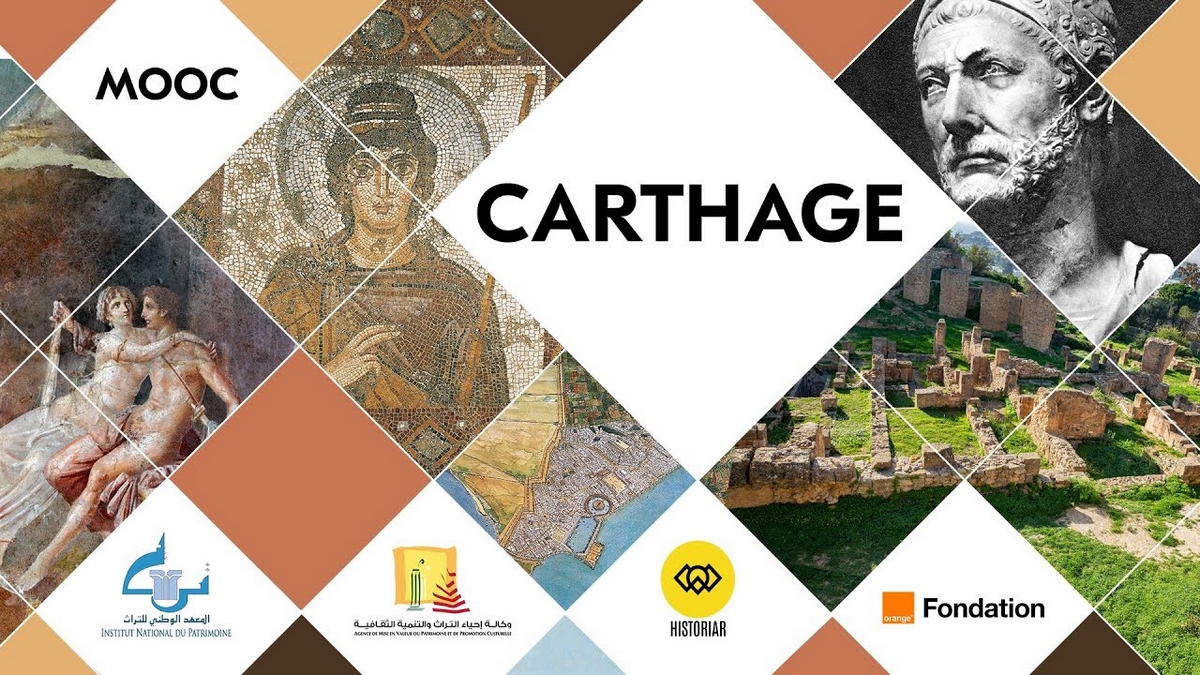
Latest News
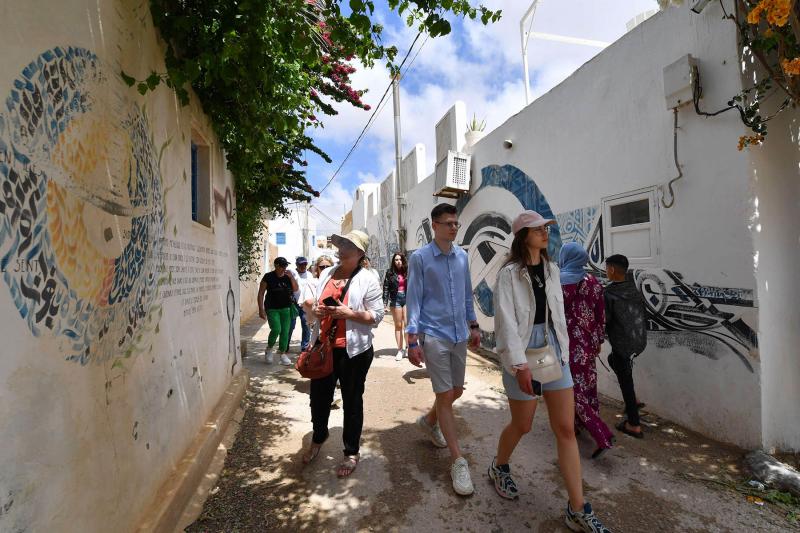
As tourism rebounds, Tunisia confronts limits of all-inclusive model
As tourism rebounds, Tunisia confronts limits of all-inclusive model
Tunisia’s 2025 tourism season is off to a promising start. Over 3.4 million visitors arrived between January and May, a 10.2 percent increase over the same period last year. If the trend holds, the country could surpass 11 million arrivals by year’s end, exceeding 2024’s 10.26 million and marking one of its strongest recoveries in over a decade. Mohamed Mehdi Houas, head of the Tunisian National Tourism Office (ONTT), welcomed the growth but warned that numbers alone are not enough, according to Tunisian website Kapitalis. “The key challenge remains service, especially in our hotels, which continues to be the weak link in our tourism offering,” he said. The economic outlook is encouraging. Tourism revenues hit 7.5 billion dinars (around $2.38 billion) last year, and with higher visitor numbers expected, earnings in 2025 could exceed eight billion dinars ($2.54 billion). Yet despite these gains, Tunisia still lags behind regional competitors like Morocco, Egypt and Jordan, countries that it once outperformed in the 1980s and 1990s. The country’s heavy reliance on low-cost beach holidays and all-inclusive deals continues to limit the sector’s long-term potential. These packages often generate volume without creating meaningful value for local communities or fully showcasing Tunisia’s cultural and ecological richness. That is why a growing coalition of policymakers and civil society groups is calling for a new path forward, one that embraces alternative tourism and the creative industries as engines of inclusive growth. At a recent forum in Tunis co-organised by Leaders International and the ministry of tourism, the vision was clear: to position Tunisia not only as a destination, but as a hub of cultural innovation. Dubbed “Innovate Tunisia,” the event marked the launch of a new national network of civil society organisations for alternative tourism. It served as a platform for sharing best practices and forging partnerships between actors in design, craft, heritage preservation and sustainable travel. Participants argued that the intersection of creative content, from digital arts to local storytelling, with tourism could significantly enhance the visitor experience, boost domestic industries and amplify Tunisia’s global image. Examples abound: from Djerba’s open-air art festival Djerba Out II in 2023 to immersive heritage events like Médina des Lumières in Tunis, the country is already testing bold new formats that marry tradition with innovation. Beyond public-sector efforts, innovative start-ups are also helping reshape Tunisia’s tourism offering. One such example is Historiar, a pioneering Tunisian company harnessing virtual reality, augmented reality and AI to create immersive cultural experiences. By re-imagining how visitors interact with heritage sites and historical narratives, Historiar bridges the gap between tradition and technology, adding value to both tourism and education. It stands as a model for how tech entrepreneurship can elevate the cultural sector and expand Tunisia’s global reach. The economic rationale is compelling. Creative tourism offers activities that are not easily outsourced, rooted in local identity and powered by human talent. It opens export opportunities for artisans and entrepreneurs while revitalising lesser-known regions. Crucially, it provides meaningful work for young people and fosters pride in cultural heritage. Yet to succeed, this shift requires more than vision. It demands coordination across sectors, access to financing for small creative enterprises and investment in training and digital infrastructure. As Emmanuel Noutary of Anima Investment Network maintained, tourists who engage digitally spend 30 percent more than others. But Tunisia must first build the capacity to capture that value. The message from the field is consistent: Tunisia has the assets, the creativity and the demand. What it needs now is the courage to update its model, to move beyond the sun-and-sea formula and invest in an experience that is immersive, authentic and economically empowering. Tourists are actually back to explore the country. Yet the question is: what will they find?
All Articles
As tourism rebounds, Tunisia confronts limits of all-inclusive model
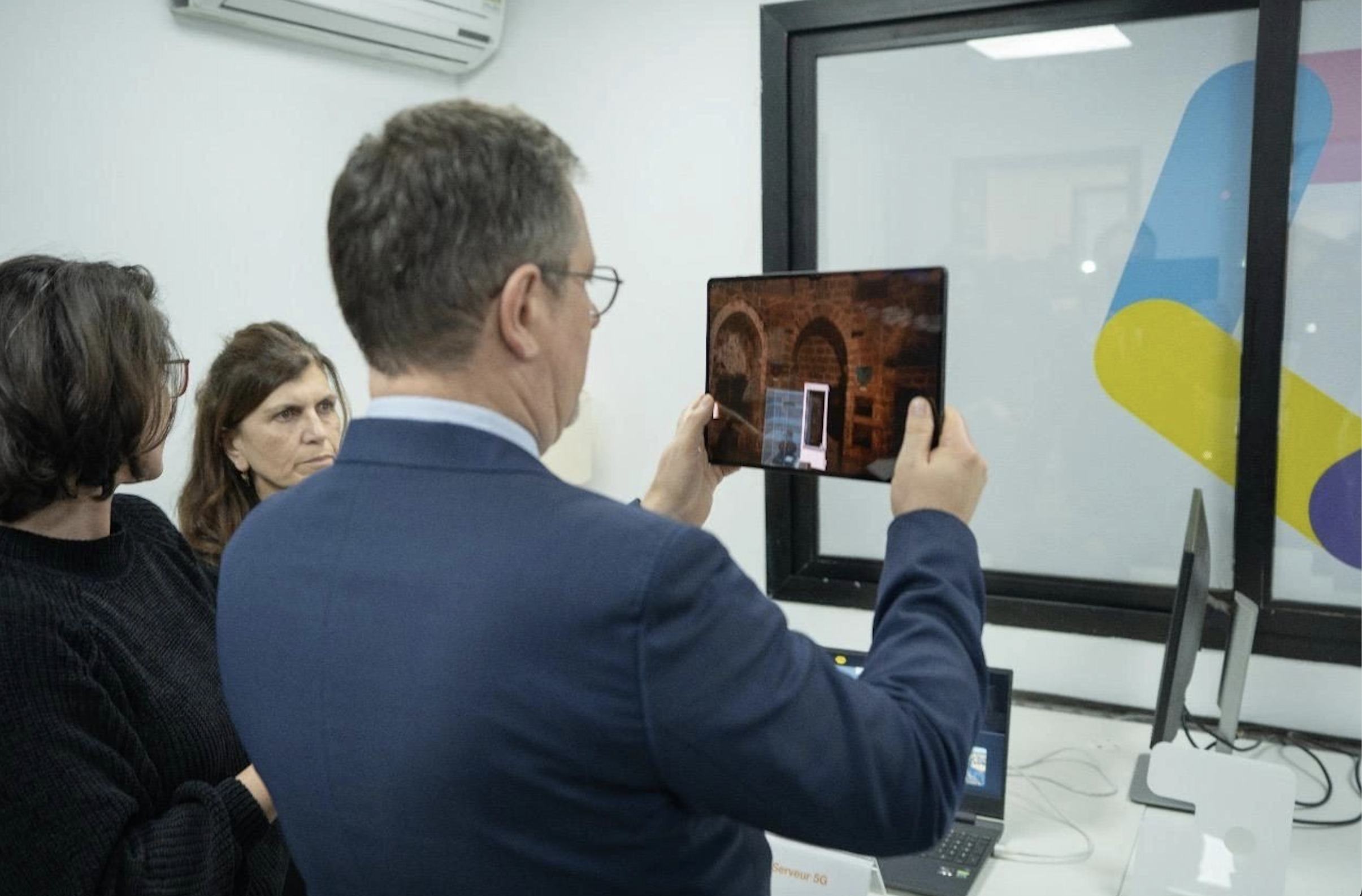
Historiar and Orange 5G Lab: Transforming Tourism through Immersive Experiences
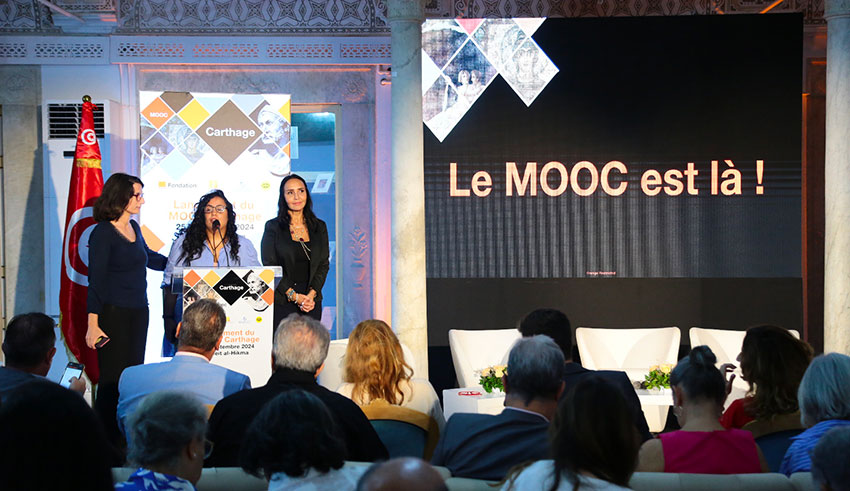
Historiar: Reliving History through 3D Technology and AI

Historiar: Relive History with 3D Technology and Artificial Intelligence

HISTORIAR: an immersion in Tunisian archaeological heritage

Tunisian Houda Bakir brings archaeological sites back to life using AI

Punic Ports Rise from the Ashes Thanks to 5G and Virtual Reality